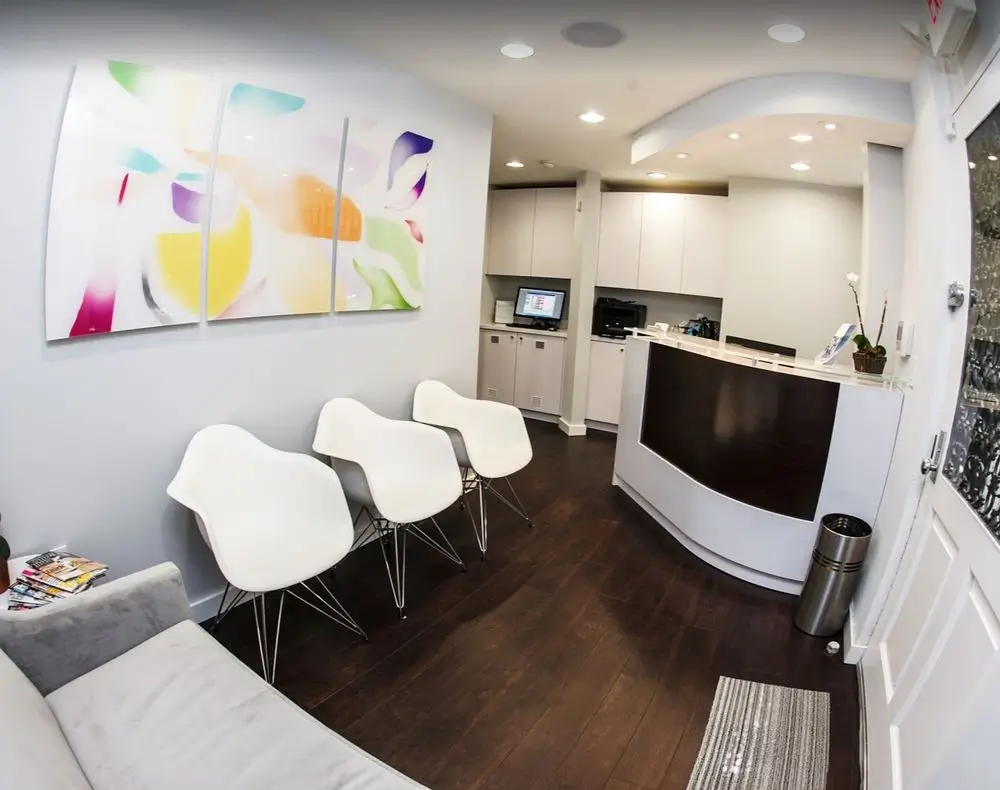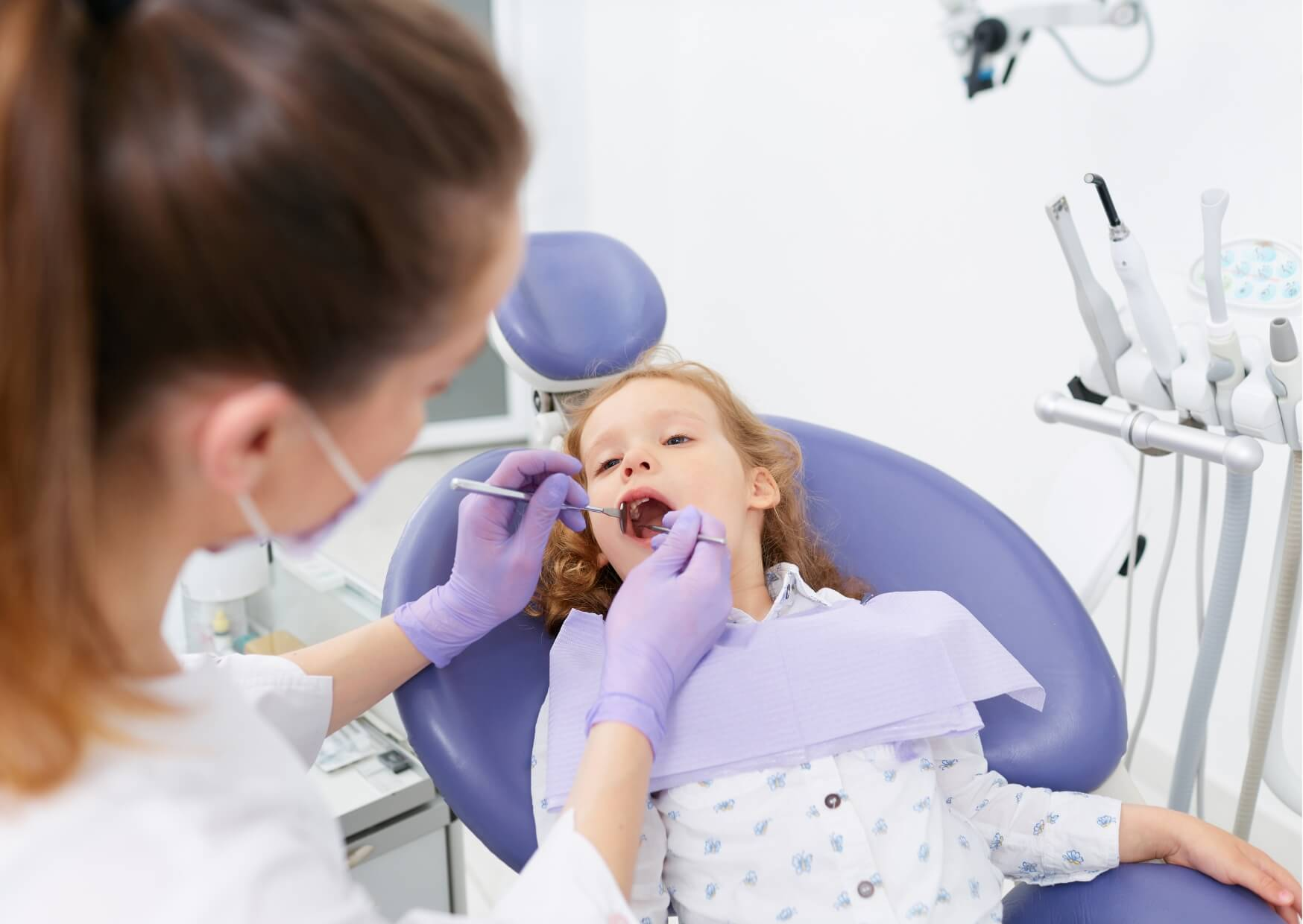
Many parents worry about the first dental appointment long before it is on the calendar. That is especially true if a child is cautious in new places, sensitive to sounds, or already nervous about medical visits. The good news is that simple preparation usually helps. Most children do best with a calm explanation, a predictable plan, and a dental team that works with kids every day. My Teeth & Me offers gentle dental check-ups for children in New York, NY and provides the kind of supportive first visit many families seek. For most children, routine dental check-ups are short, low-stress visits that check the teeth, gums, bite, and oral development. The dentist may also look for early cavities, plaque buildup, soft tissue changes, and habits like thumb sucking or mouth breathing. If this is a first visit, the goal is often helping a child feel comfortable in the dental setting as much as completing the exam. Some children are ready for a full cleaning and exam right away, while others need a slower introduction. A child may notice bright lights, a reclining chair, a small mirror, and gentle tooth counting. If X-rays are needed, the team should explain them in child-friendly language and use them only when clinically appropriate, following pediatric X-ray guidelines. Keep your explanation short and concrete. Children usually do better when they know what comes next without getting too many details at once. You can say that the dentist will count the teeth, check how they are growing, and help keep the mouth healthy. It also helps to mention that the visit may include brushing, pictures of the teeth, or a tiny mirror to look around. Try not to promise that nothing will feel strange. A better approach is to say that some parts may feel new, but the team will explain each step and help if anything feels uncomfortable. It also helps to avoid using the dentist as a threat at home. When dental care is linked to punishment, a routine visit can feel scary before the child even arrives. Children often react to a parent’s tone before they fully process the words. A calm voice, simple language, and a matter-of-fact attitude usually work better than repeated reassurance. Instead of saying, “Don’t be scared,” try language that supports coping. You can say that it is okay to feel unsure and that the dentist’s job is to help children learn what the visit is like. One of the most helpful strategies is practicing the visit at home in a light, playful way. You can count teeth, have your child open wide, and pretend to lean back like a dental chair. For more ideas, see our tips for tots. Those phrases can backfire. They may add pressure, suggest that something painful is coming, or make a child feel responsible for an adult’s emotions. Choose an appointment time that fits your child’s usual rhythm. Many younger children do better earlier in the day, before they are tired, hungry, or overstimulated. The night before, keep the routine normal. A regular bedtime usually matters more than a long talk about the dentist. On the day of the visit, leave enough time so you are not rushing through traffic, parking, or paperwork. Children often struggle more in the waiting room when the morning already feels hurried. Bring anything that helps your child regulate, such as a comfort item, headphones, or a small favorite toy if the office allows it. If your child has sensory sensitivities, autism, ADHD, a strong gag reflex, or difficult past medical experiences, let the office know ahead of time. During the visit, the dentist looks at more than cavities. The exam may include tooth eruption, spacing, bite alignment, gum health, plaque levels, enamel changes, and signs of grinding or oral habits. The dentist may also ask about diet, fluoride exposure, brushing, flossing, snoring, mouth breathing, and pain with chewing or temperature. These details matter because early dental problems are not always obvious. If a child is anxious, the team also evaluates what can be done comfortably and safely that day. Sometimes the best choice is to keep the first visit simple and build trust before doing more. Some children warm up quickly. Others cry, cling, refuse to open, or become upset by sounds, smells, or loss of control. That does not mean anything is wrong or that future visits will go badly. Dental anxiety is common in children, and it often improves with preparation, repetition, and a pediatric-focused approach. Call before the appointment if your child has: Many offices can note preferences, allow more time, or suggest the best time of day. That kind of planning often makes the visit smoother for everyone. For a routine checkup, treatment may simply mean preventive care such as dental cleanings, fluoride application, sealants, or monitoring how the teeth are developing. If a problem is found, restorative care can repair damaged teeth, and the dentist can explain what it means, how urgent it is, and what usually comes next. Parents often focus on getting through one appointment. The bigger goal is helping a child build a healthy, workable relationship with dental care over time. A calm first experience can make future cleanings, X-rays, and treatment much easier. Our post on how to make their visit great offers office-specific strategies that can help. At home, the best preparation for future visits is a steady routine. Regular brushing with age-appropriate supervision, flossing when teeth touch, and limiting frequent sugary snacks can lower the chance that the next visit becomes more complicated. Preparation helps, but some symptoms should not wait for the next checkup. Call a dentist sooner if your child has facial swelling, fever with dental pain, uncontrolled bleeding, trauma to a tooth, or worsening pain. Also call if there is a broken tooth, gum swelling, a pimple-like bump on the gums, trouble chewing, or sensitivity that keeps returning. These symptoms can have different causes, and a dentist needs to decide whether the problem is urgent. If your child has trouble breathing, trouble swallowing, or rapidly spreading swelling, seek urgent medical care right away. Those symptoms can signal more serious infection symptoms or an airway concern. Most pediatric dental visits begin with forms, a brief health history, and a conversation about any concerns. The child may meet the team first, see the chair, and then move step by step through the visit. Depending on age and comfort level, the appointment may include dental cleanings, polishing, fluoride, X-rays, and a dentist exam. If a child is hesitant, the team may pause, model the steps, or shorten the visit while still making it productive. Parents usually help most by staying calm, following the team’s lead, and keeping language simple. If you are unsure how to prepare a child for dentist visits in your situation, a quick call to the office beforehand is often the most helpful step. For gentle pediatric dental check-ups in New York, NY, My Teeth & Me serves families from Yorkville to Lenox Hill. Call (646) 403-3430 to schedule an appointment. Most dental groups recommend a first visit by the first birthday or within 6 months of the first tooth appearing. An Age One visit helps the dentist check development, discuss feeding and hygiene, and prevent problems before they become larger. For more detail about timing, see when to take your child. Yes, but keep it simple. It is usually enough to say that the team may brush the teeth, count them, and take pictures if needed. Crying is common, especially in younger children or during a first visit. It does not mean the visit failed, and it does not mean your child will always struggle with dental care. In many cases, yes, especially for very young children, fearful children, or children with sensory or developmental needs. Learn more about what a pediatric dentist does and how that training and office design can help children feel safer. A small, simple reward can help, especially if it reinforces the idea that dental visits are a normal part of health care. Try not to make the reward feel like payment for getting through something frightening.What a Dental Visit Usually Means for a Child
What to Say Before the Appointment
Words and Habits That Can Lower Anxiety
Helpful Phrases to Use
Phrases to Avoid
How to Prepare the Day Before and the Morning of the Visit
What the Dentist Will Evaluate
If a Child Is Especially Fearful
When It Helps to Call the Office Ahead of Time
Treatment and Prevention Start With a Positive Visit
When to Call Sooner Instead of Waiting for a Routine Visit
What to Expect at the Visit

FAQs
What age should a child first see a dentist?
Should I tell my child if a cleaning or X-ray might happen?
What if my child cries at the dentist?
Is it better to bring a child to a pediatric dentist?
Should I use a reward after the appointment?
Related Articles