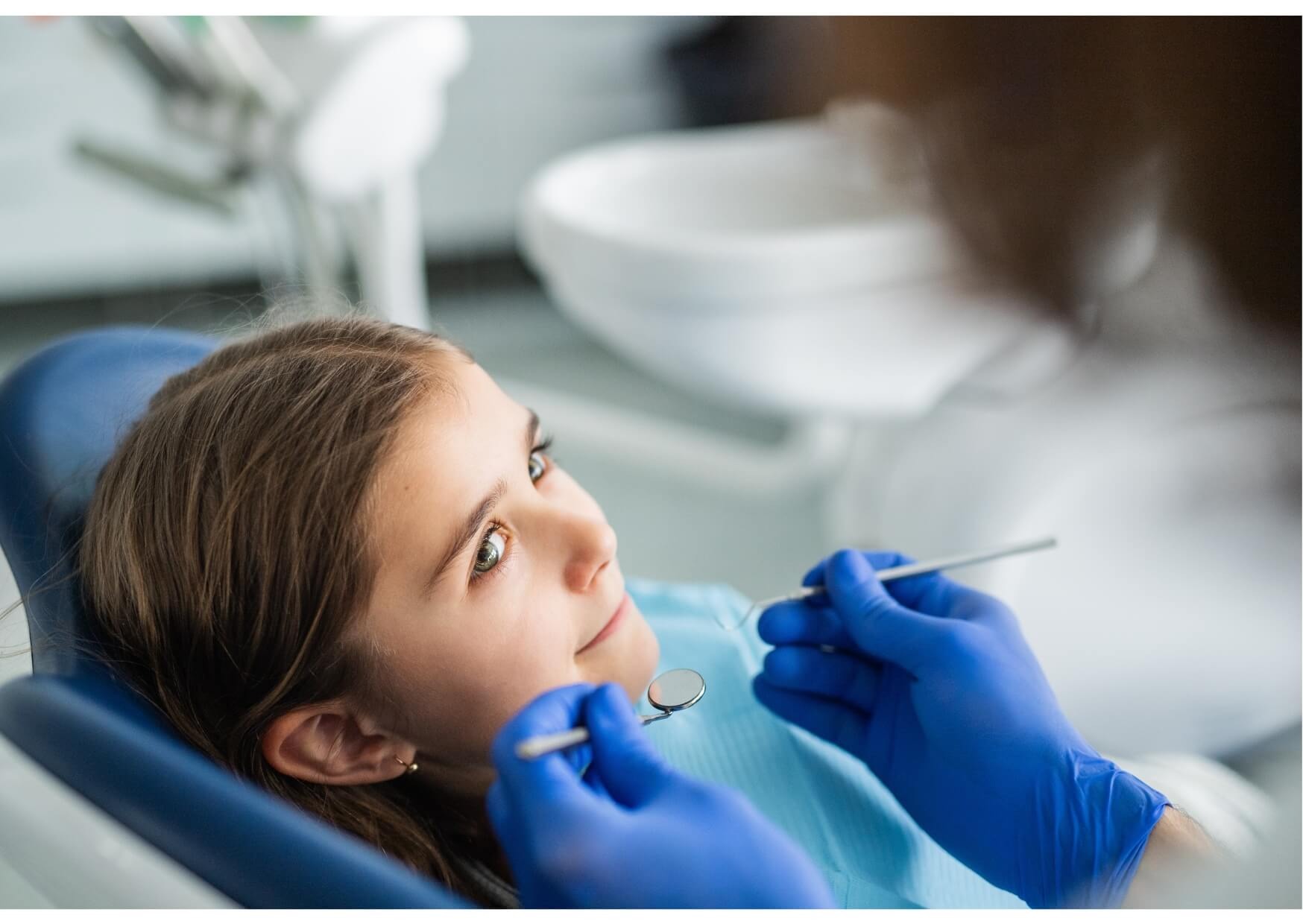
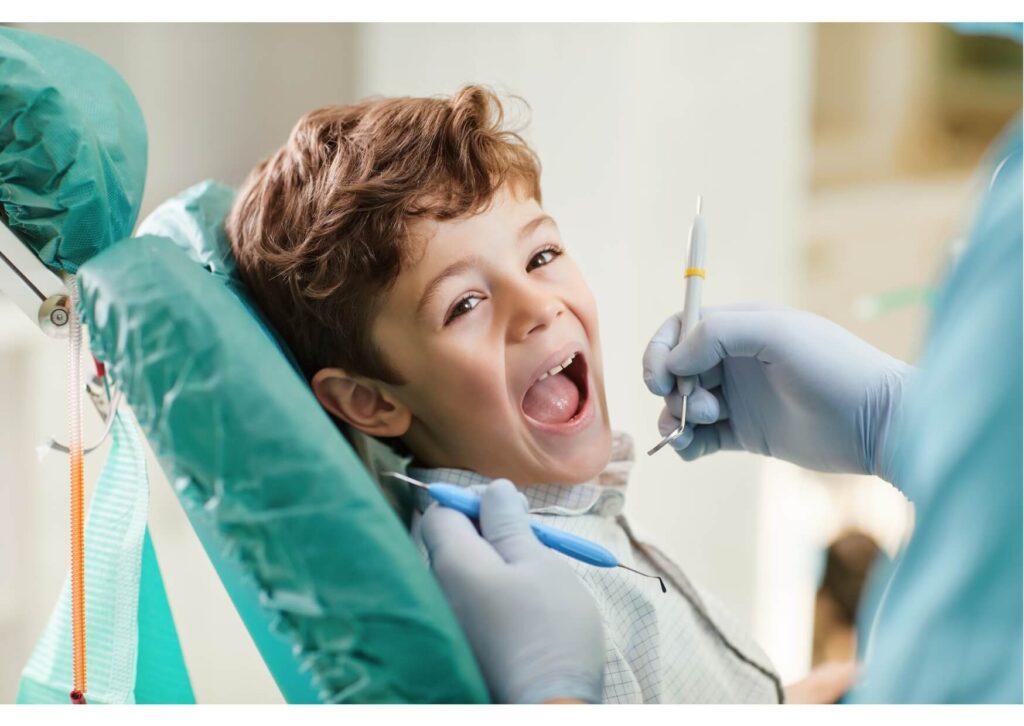
“Every child begins the world again.” That idea fits dentistry more than many people expect. A child’s mouth is always changing, and each stage brings its own needs, patterns, and questions. A pediatric dentist is a dentist who focuses on the oral health of infants, children, adolescents, and often patients with special health care needs. After dental school, pediatric dentists complete additional specialty training centered on child development, behavior guidance, growth of the jaws and teeth, prevention of dental disease, and treatment approaches designed for younger patients. In simple terms, this is a dentist trained not only to treat teeth, but also to care for a developing child in a way that feels safe, calm, and age-appropriate. Learn more about providing the right dental care for your children. That matters because children are not just small adults. Baby teeth, erupting permanent teeth, oral habits, injury patterns, and even the way a child experiences a dental visit can be very different from what happens in adulthood. A good pediatric dental visit can support more than the mouth alone. When a child feels secure, the body often relaxes, breathing steadies, and care becomes easier. Fear can tighten muscles and heighten discomfort, while trust often helps a child tolerate exams, cleanings, and treatment with less distress. At My Teeth & Me, families in New York, NY, and nearby areas can find pediatric dentistry and gentle dental checkups designed to support children through every stage of growth. We focus on creating calm, positive experiences that help children feel comfortable while building healthy oral habits early on. Many general dentists treat children well, especially for routine care. Still, pediatric dentistry is built specifically around the needs of growing patients, and that extra focus can make a meaningful difference when a child is very young, anxious, medically complex, or developing an oral problem tied to growth. A pediatric dentist is trained to understand how primary teeth, also called baby teeth, guide speech, chewing, spacing, and the eruption path of adult teeth. These dentists also learn how oral habits such as thumb sucking, prolonged pacifier use, and tongue posture may affect bite development over time. The office setting is often different too. Pediatric dental practices are usually designed to reduce fear and support cooperation. That may include shorter appointments, child-friendly communication, and techniques that help children understand what is happening before treatment begins. After becoming a dentist, a pediatric specialist completes additional residency training. This advanced education commonly includes child psychology, sedation awareness, management of dental injuries, treatment of extensive tooth decay in children, and care for patients with developmental, behavioral, or medical conditions. Families who want to learn more can read about pediatric sedation. Some people assume baby teeth are not important because they eventually fall out. In reality, baby teeth help hold space for adult teeth, support nutrition, and affect comfort, sleep, and daily function. Untreated disease in these teeth can still cause pain, infection, swelling, and trouble eating or concentrating at school. Pediatric dentists do much more than routine cleanings. Their work often includes prevention, early diagnosis, and treatment planning that respects both the child’s current comfort and long-term dental development. Common reasons for a visit include tooth decay, delayed or unusual tooth eruption, dental injuries, crowding concerns, gum irritation, oral habits, and sensitivity. In many cases, the goal is to catch a small issue before it becomes painful or harder to manage. Tooth decay remains one of the most common childhood health problems. Cavities may begin as faint white areas where minerals are being lost from the enamel, the hard outer layer of the tooth. Over time, these areas can darken, soften, or form holes. Children may not always describe pain clearly. Instead, a parent may notice chewing on one side, avoiding cold foods, waking at night, irritability during meals, or visible spots on the teeth. When a cavity needs repair, pediatric teams often offer gentle dental fillings to restore comfort and function. You can also learn how to prevent early childhood caries. A pediatric dentist also watches how the teeth and jaws are developing. Some bite issues are inherited, while others may be influenced by habits, airway patterns, or the timing of tooth loss. Early recognition does not always mean immediate treatment, but it can help a family understand what to monitor. Falls, sports injuries, and playground accidents are common in childhood. A chipped tooth may look minor but can sometimes involve deeper structures, including the nerve tissue inside the tooth. A tooth that is pushed out of position, becomes loose after trauma, or causes lip or gum bleeding should be assessed promptly. Some children benefit from a dental team that is especially experienced in sensory sensitivity, developmental differences, complex medical history, or coordination with other healthcare providers. In these situations, specialized pediatric dental care can make visits safer and more predictable. Most children should have a dental visit by the first birthday or within about six months of the first tooth appearing. That may sound early, but early visits are usually simple, brief, and preventive. These pediatric check-ups are a good time to notice risk early and build a calm relationship with dental care. The purpose is not only to look for cavities. It is also to check oral development, discuss feeding and drinking habits, review brushing technique, and identify risk factors before damage starts. This is often the easiest time to build a calm relationship with dental care, before pain or fear enters the picture. See our tips for first visits to help your child feel calm and prepared. Early timing is one of the most helpful parts of pediatric dentistry. Families often wait until a child is uncomfortable, and by then the first dental experience may already carry stress. A preventive first visit usually creates a much better foundation. This also helps with creating a dental home. Schedule an earlier evaluation if there is mouth pain, swelling, a broken tooth, dark spots, white chalky areas on teeth, bleeding that does not make sense, trouble eating, or injury to the mouth. Persistent bad breath can also deserve a closer look, especially if brushing does not explain it. If symptoms are severe, worsening, or paired with fever, facial swelling, or trouble swallowing, seek urgent dental or medical care. Those can be urgent red flags because infection in the mouth can sometimes spread beyond a single tooth. A first appointment usually includes a review of medical history, feeding and oral habits, tooth eruption, and any current concerns. The dentist examines the teeth, gums, bite, and soft tissues of the mouth. Depending on age and risk, dental X-rays may be recommended to look for decay between teeth or to assess development below the gums. Professional cleanings, fluoride treatments, and sealants & restorations may be discussed when appropriate. Fluoride helps strengthen enamel and lower the risk of decay. Sealants are protective coatings placed on the chewing grooves of certain teeth to reduce cavity risk in areas that are hard to clean well. Behavior guidance is another important part of the visit. This means using communication and pacing strategies that help a child understand and tolerate care. The goal is not force. The goal is trust, predictability, and a safe experience. A calm voice, simple words, and a steady routine can settle the nervous system. That may sound gentle, but it is also practical. A regulated child is often easier to examine, easier to treat, and less likely to carry dental fear into adulthood. For many families, the choice depends on age, temperament, and dental needs. A pediatric dentist may be especially helpful for infants and toddlers, children with significant anxiety, children who have had a difficult prior dental experience, and those with extensive decay, trauma, or developmental and medical complexity. It may also be the right fit if a child needs close monitoring of growth, habit-related bite changes, or preventive support because cavities have developed early. Even when treatment needs are straightforward, some parents simply prefer a practice designed around children from the start. You do not need to decide based on fear alone. Think about where a child is most likely to receive clear communication, patient pacing, and age-appropriate care. That practical fit often matters more than labels. These questions do not replace professional judgment, but they can help a family find a setting that feels both competent and calm. Daily habits shape oral health more than most single appointments do. Brushing with a fluoride toothpaste, limiting frequent sugary drinks and sticky snacks, and keeping regular dental visits can lower the chance of decay substantially. Children often benefit from routine. A consistent morning and bedtime brushing rhythm, especially when an adult supervises or helps, tends to work better than aiming for perfection. If a child resists brushing, the answer is usually not force alone. It is often better to make the routine predictable, brief, and steady. There is wisdom in repetition. Small daily habits shape long-term health. Oral care works much the same way. A few grounded routines, practiced with patience, usually matter more than occasional bursts of effort. One practical approach is to pause for a slow breath before brushing with a resistant child. That moment can soften tension for both child and caregiver. It will not treat a cavity, but it may make the routine more sustainable, and sustainable routines are what protect teeth over time. Some dental problems can wait a few days for a routine appointment, but others should be assessed quickly. A child should be seen promptly for facial swelling, significant mouth pain, a knocked-out permanent tooth, a tooth that changes position after injury, pus near the gums, or bleeding that does not stop as expected. Fever with dental pain, swelling that seems to spread, trouble opening the mouth, trouble swallowing, or reduced drinking can signal a more serious problem. These symptoms do not always mean a dangerous infection, but they do deserve timely evaluation. If a child seems unusually sleepy, has difficulty breathing, or swelling is affecting the face or neck, seek immediate medical care. In these moments, facial swelling with fever or trouble swallowing is not something to watch at home and hope improves. General information can help families recognize patterns, but it cannot diagnose a specific child from a distance. When symptoms are persistent, worsening, severe, or simply unclear, a dental professional should evaluate them directly. Parents often worry that every missed brushing session or every sweet snack has caused lasting harm. Usually, oral health is more layered than that. Teeth respond to patterns over time, and there is room to reset routines, ask questions, and move forward with better support. If the phrase what is a pediatric dentist has led you here, the simplest answer is this: it is a dental specialist for children, trained to protect developing mouths with skill that matches childhood itself. The deeper answer is that pediatric dentistry also protects trust. It helps children learn that healthcare can be careful, respectful, and safe. A steady affirmation may help more than people expect: my child’s health can be supported one calm step at a time. And perhaps this one too: with patience, clear care, and timely guidance, growing smiles can find their way. A positive dental experience early in life can make a lasting difference in your child’s oral health and confidence. If you are looking for compassionate pediatric dentistry in New York, NY, our team at My Teeth & Me is here to provide gentle checkups, preventive care, and same-day support for growing smiles. Call (646) 403-3430 today to schedule an appointment for your child and visit our New York office serving families throughout Yorkville, Lenox Hill, Midtown East, and nearby communities. Not always in every situation, but a pediatric dentist has extra specialty training focused on children. That can be especially helpful for very young children, anxious patients, complex dental problems, or special health care needs. Usually by age one or within six months of the first tooth erupting. Early visits are mainly preventive and help identify risk before pain begins. No. They treat baby teeth, developing permanent teeth, gums, oral habits, injuries, and growth-related concerns throughout childhood and adolescence. Usually no. Baby teeth still matter for comfort, eating, speech, and space for adult teeth. Untreated decay can worsen and may lead to pain or infection. Seek prompt care if a tooth is knocked out, pushed out of place, broken with pain or bleeding, or if there is swelling, ongoing bleeding, or difficulty eating after the injury.How Pediatric Dentistry Differs From General Dentistry
Training Beyond Dental School
Why Baby Teeth Still Matter
What Pediatric Dentists Commonly Treat
Cavities in Children
Growth and Bite Concerns
Dental Injuries
Care for Children With Special Health Care Needs
When a Child Should First See a Pediatric Dentist
Signs a Child Should Be Seen Sooner
What Happens During a Pediatric Dental Visit
How to Know if a Pediatric Dentist Is the Right Choice
Questions Worth Asking
Question Why It Matters Do you regularly treat infants, toddlers, and school-age children? Experience varies by practice. How do you help anxious children during visits? Communication style can shape the whole experience. How do you handle dental injuries or urgent tooth pain? Access matters when problems arise quickly. Do you care for children with sensory, developmental, or medical needs? Some families need a team with added expertise. How do you approach prevention for cavity-prone children? Prevention plans should be individualized. Simple Ways to Support a Child’s Oral Health at Home
When Symptoms Need Prompt Attention
A Gentle Perspective for Parents and Caregivers
Give Your Child a Healthy Start With Gentle Pediatric Dental Care
FAQs
Is a pediatric dentist better than a general dentist for children?
At what age should a child first go to the dentist?
Do pediatric dentists only treat baby teeth?
Should a small cavity in a baby tooth be ignored since the tooth will fall out?
When should a child’s tooth injury be seen right away?
Related Articles