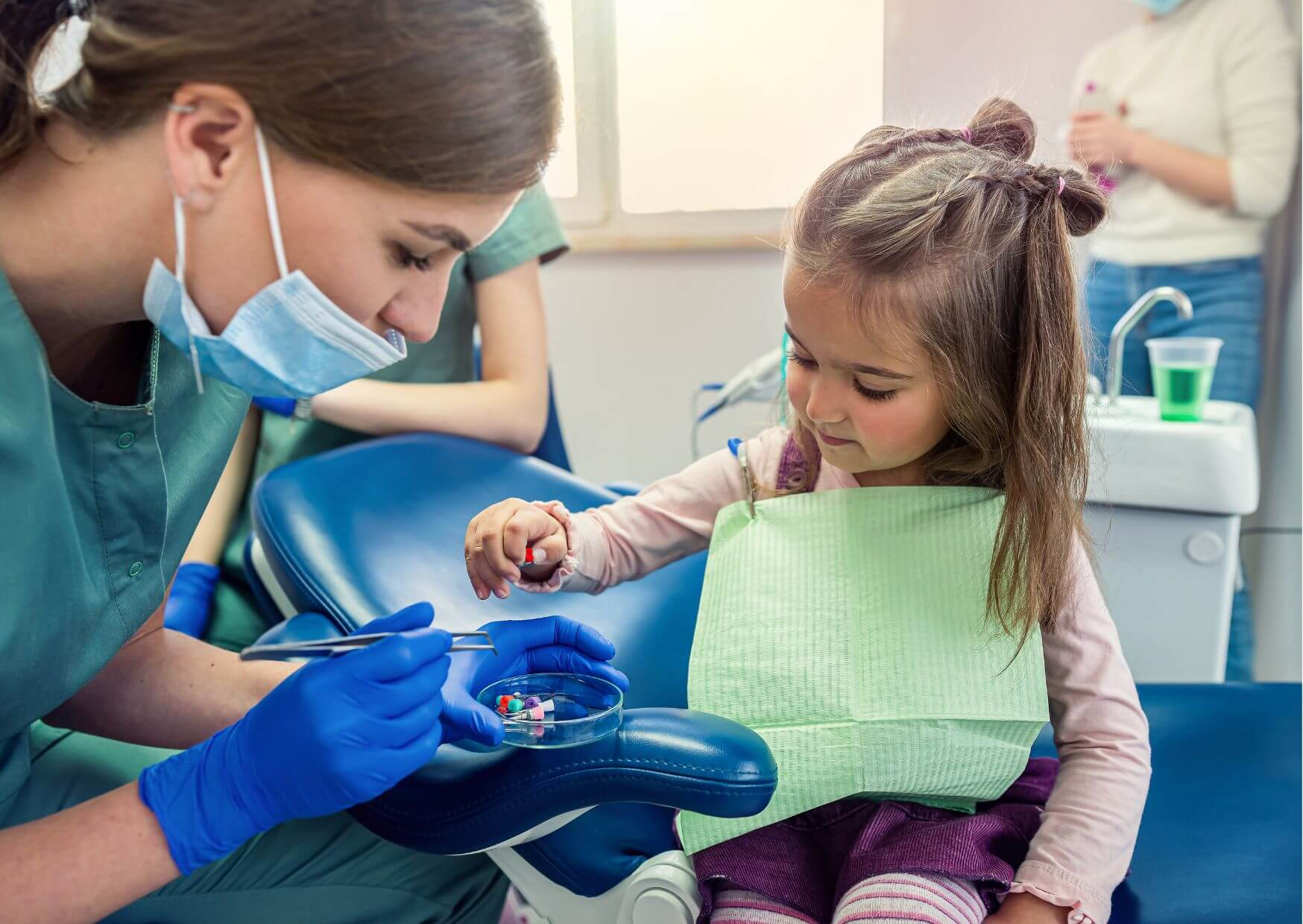
A child’s first tooth can feel like a quiet milestone. It often brings a practical question at the same time: when should I take my child to the dentist? The short answer is simple. A child should usually see a dentist by the first birthday, or within six months after the first tooth erupts. That timing matters more than many parents realize. Baby teeth are temporary, but they help with chewing, speech development, jaw growth, and spacing for future adult teeth. An early dental visit is not just about checking for cavities. It is also a chance to talk about feeding habits, fluoride exposure, oral cleaning, teething, and how your child’s mouth is developing. Early dental care often works best when it is steady rather than reactive. A calm visit before there is pain can help a child build trust, and that trust is part of creating a dental home. At My Teeth & Me in New York, NY, we offer gentle dental check-ups designed for little ones and families seeking steady, preventive care. Many parents assume a dentist is only needed once a child has several teeth or can sit still for an exam. In reality, early childhood caries can begin soon after teeth come in, especially when feeding and hygiene habits raise cavity risk. A dentist can look for early changes in the enamel, the hard outer layer of the tooth. At this stage, there may be no pain at all, which is exactly why prevention visits matter. These early appointments can also identify habits or patterns that may affect oral health later. Thumb sucking, pacifier use, mouth breathing, delayed tooth eruption, and visible plaque buildup are all worth discussing early. For many families, the first visit is mostly educational. The dentist may examine the gums, tongue, bite, and tooth surfaces, then explain what looks normal, what should be watched, and when follow-up should happen. Most first visits are brief and low pressure. For infants and toddlers, the dentist may examine the mouth while the child sits in a parent’s lap. The appointment often includes a review of medical history, feeding habits, teething, oral hygiene, and any concerns about pain, discoloration, or injury. If the child is older and comfortable, the team may also gently clean the teeth with a professional dental cleaning. Some practices use a knee-to-knee exam for very young children. In that setup, the parent and dentist sit facing each other with the child supported between them so the mouth can be checked safely and quickly. The goal is not perfect behavior. The goal is a useful baseline, a safe exam, and a positive first experience. Sometimes the question is not whether a child needs a first dental visit by age one. Sometimes the question is whether the visit should happen much sooner. Schedule a prompt dental evaluation if there is tooth pain, facial swelling, or a broken tooth. These signs can point to decay, infection, or trauma that needs timely assessment. Other reasons to book earlier include white chalky spots on teeth, brown or black areas, gum swelling, ongoing bad breath, bleeding gums, trouble chewing, or sensitivity to cold. None of these signs confirms one diagnosis, but each deserves attention. If a tooth is knocked out, pushed out of position, or the mouth has significant bleeding after a fall, contact a dentist urgently. If there is uncontrolled bleeding, trouble breathing, increasing facial swelling, fever with swelling, or concern for head injury, urgent medical care is appropriate. You can read more about common urgent problems and what to do in our dental emergency care. These situations do not always require emergency treatment, but they should not be watched indefinitely. If symptoms are getting worse or the cause is unclear, a dental exam is the safest next step. After the initial appointment, many children are seen about every six months. That schedule gives the dentist time to monitor growth, clean the teeth when needed, and catch small problems before they become painful. Some children may need visits more often. This can happen when there is a history of cavities, visible plaque buildup, enamel defects, orthodontic concerns, or habits that raise risk. A child with low cavity risk and good home care may still follow the standard recall schedule. The exact timing should come from a dentist who has examined the child and understands the full picture. The most helpful preparation is often simple. Clean the gums before teeth erupt with a soft cloth, then begin brushing as soon as the first tooth appears. For practical guidance on when and how to start, see our guide to brushing baby's teeth. Use a soft, age-appropriate toothbrush and keep the routine calm and consistent. It also helps to talk about the visit in neutral, reassuring language. Try not to promise that nothing will feel strange, and avoid words that may create fear before the appointment even starts. For more practical ideas, read our tips for tots. A first visit does not require perfect behavior to be successful. A calm introduction is often enough. Because baby teeth eventually fall out, some families are told not to worry too much about them. That advice is misleading. Baby teeth hold space for adult teeth and help children bite, chew, and speak clearly. Infection or early tooth loss can affect comfort, sleep, eating, and how permanent teeth come in later. Untreated decay in young children can progress quickly. What starts as a faint white spot may become a cavity, then pain, then swelling if it is not addressed. When decay advances, a dentist may suggest dental fillings to restore comfort, or protective sealants & restorative options to help prevent future cavities. Early care protects more than teeth alone. It supports development, routine, and a child’s sense that oral care is a normal part of health. If the question is when should I take my child to the dentist, the clearest answer is this: by age one, within six months of the first tooth, and sooner if there are symptoms, injury, or anything that does not seem right. If that timing has already passed, it is still worth scheduling now rather than waiting for pain to make the decision. One thoughtful visit can help create a healthier rhythm for years to come. A pediatric dentist or a general dentist who treats children can help set the right schedule from there. At My Teeth & Me in New York, NY, we offer gentle dental check-ups for infants and children and also welcome families from nearby Yorkville and Lenox Hill; call us at (646) 403-3430 to schedule an appointment. Usually by the first birthday or within six months after the first tooth appears. This gives the dentist a chance to check development and talk about prevention before problems begin. Yes. Even a small number of teeth can develop decay, and early visits help families learn how to protect them. A child can have early enamel changes or cavity risk without pain. Preventive visits are helpful because many dental problems start quietly. No. Waiting until all baby teeth are in is later than recommended for a first visit. Earlier evaluation is the standard approach. Pain with swelling, fever, facial asymmetry, trauma, or trouble eating should be assessed promptly. Severe swelling, uncontrolled bleeding, breathing difficulty, or concern after a major injury needs urgent medical attention.Why the First Visit Happens So Early
What to Expect at a Child’s First Dental Appointment
Signs a Child Should Be Seen Sooner Than the Routine Timeline
Common Red Flags That Should Not Wait
How Often Children Should Go After the First Visit
What Parents Can Do Before the First Dental Visit
Small Ways to Make the Visit Smoother
Why Baby Teeth Deserve Real Attention
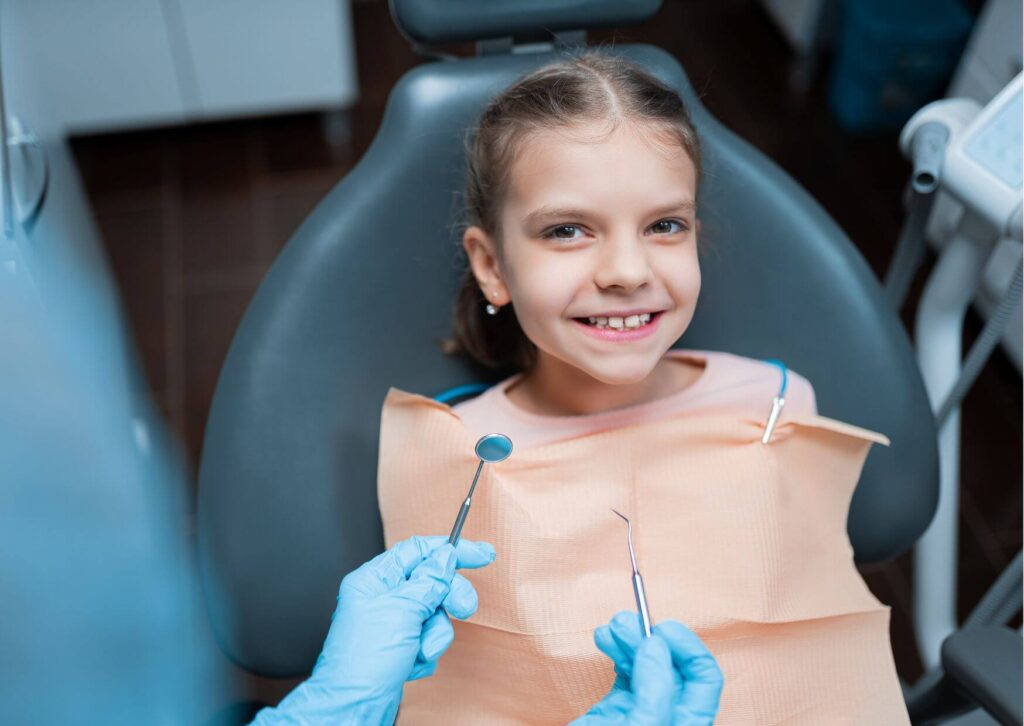
A Calm Perspective on Timing and Trust
FAQs
When should a baby first go to the dentist?
Do children need a dentist if they only have one or two teeth?
What if my child seems fine and has no pain?
Should I wait until all the baby teeth come in?
When is dental pain in a child urgent?
Related Articles