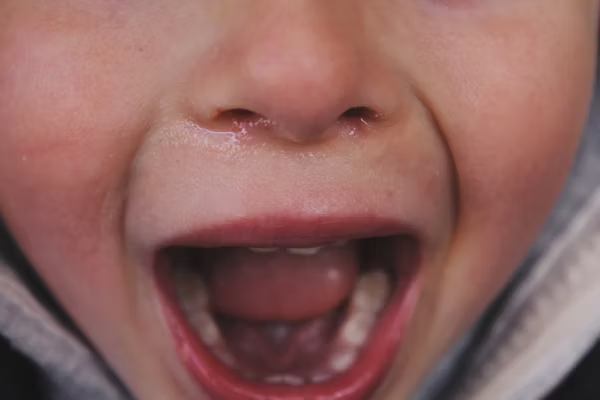
Teething is one of those milestones parents both look forward to and quietly dread. The excitement of seeing that tiny tooth peek through the gums… paired with the long nights, fussiness, and drooling. If you’re wondering whether once a baby tooth breaks through, does it still hurt, you’re not alone. Many parents turn to trusted professionals—like the compassionate team at My Teeth and Me, a leading pediatric dental home in New York, NY—for reassurance and guidance. Let’s walk through what really happens during teething, why discomfort sometimes lingers, and how you can keep your little one comfortable throughout the process. Let’s get one thing straight: even after a tooth finally emerges, the journey isn’t over. Think of teething like a tiny mountain slowly pushing its way through soft earth—the surface breakthrough is just the beginning. While pain often lessens once a tooth cuts through, mild soreness can linger as gum tissues adjust. In some cases, nearby teeth gearing up to erupt can add additional discomfort. So yes… sometimes it still hurts, but the worst is usually behind you. Most babies begin teething around 6 months old, though some start earlier (and others much later). Each child follows their own timeline—just like learning to crawl or utter that first adorable “mama.” Baby teeth don’t simply appear. They push, shift, and gradually nudge their way upward. This movement creates inflammation and pressure, which is why your baby may chew on anything that isn’t nailed down. Once the tooth pierces the gum surface, the sharpest pain often fades. Still, the gum tissue must mold and settle around the new tooth—imagine a shoe breaking in around your foot. Baby gums remain sensitive and slightly swollen after eruption. Your little one may continue to rub their cheeks, chew more, or fuss intermittently. As blood flow normalizes and tissues heal, the discomfort gradually fades—typically within a few days. Most babies experience lingering soreness for 2–3 days after the tooth breaks through. Back molars are larger and may cause more discomfort due to their broader surface and multi-pointed shape. If discomfort lasts over a week, it may not be teething. Consider: When the river of drool slows to a gentle stream, relief is near. A suddenly calm eater? A baby sleeping longer? Yes—these are green lights. Your baby may no longer resist feedings or gum contact. The area around the new tooth may need a little extra healing time. Teething often happens in clusters—one tooth arrives, another is not far behind. Even helpful relief tools can cause temporary irritation. A clean finger applying soft pressure can work wonders. Cold helps numb tender gums—think chilled silicone teethers. Extra cuddles, contact naps, and slow feeding transitions offer emotional relief. Cold but flexible… ideal for soothing small mouths. These provide safe resistance for babies to bite and relieve pressure. Sucking naturally soothes and reassures little ones during discomfort. OTC meds should be used sparingly and only under professional guidance. Topical numbing agents can be dangerous for infants—always avoid benzocaine or lidocaine gels. A quick professional check can prevent risky choices. This myth leads many parents to wonder once a baby tooth breaks through, does it still hurt? Yes—it can, but usually less intensely. Mild temperature increases are normal, but high fever suggests illness. Just like adults, babies have unique thresholds and responses. Younger babies may experience teething differently than older toddlers. Healthy gums tend to recover faster. Some babies naturally experience easier teething phases. (Even here, My Teeth and Me encourages gentle habits from day one.) Start early—it builds habits and prevents plaque. Sugary drinks contribute to early decay. Schedule the first visit by age 1 or after the first tooth appears. (My Teeth and Me excels in guiding families through this process.) Regular checkups help catch early issues. A trained eye sees what parents often can’t. Pediatric dentists tailor relief strategies to your child’s needs. Crying that lasts for hours may signal something more than teething. If symptoms worsen or your baby refuses to eat—call. These typically indicate illness, not teething. Babies find reassurance in predictability. Variety keeps relief effective. Sometimes, love is the best medicine. These can irritate newly erupted gums. Water keeps gums clean and hydrated. Pain spikes at night when distractions fade. Longer stretches of sleep indicate relief. Clinginess, irritability, or boundary-testing may increase. Skin-to-skin, lullabies, and quiet time help. You're not alone—teething is temporary. If a toddler chips a tooth—from a fall, toy, or crash—stay calm. Assess bleeding, apply cold compresses, and call your pediatric dentist. My Teeth and Me handles such cases gently and professionally. It’s normal for teeth to arrive in waves. Most children have all 20 primary teeth by age 3. Teeth often erupt in pairs or sequences, extending discomfort. Rotate soothing strategies to keep pain manageable. Chewing toys help strengthen oral muscles. Around ages 6–7, baby teeth begin to loosen. Primary teeth guide permanent tooth positioning. Routine brushing and regular visits are essential. Located in the Upper East Side of New York, NY, My Teeth and Me is the premier pediatric dental home offering comprehensive care. Led by Dr. Liora Benichou, our practice follows the American Academy of Pediatric Dentistry philosophy of a warm, coordinated, family-centered dental home for you. Our services for you include cleanings, check-ups, sealants, white PBA-Free fillings, fluoride varnish, minimal radiation X-rays, and orthodontic recommendations. We offer kid-friendly scheduling Monday through Friday. Give your child the gift of a bright, healthy smile—schedule a visit with us at My Teeth and Me today. Teething is a journey filled with tiny triumphs and tough moments. So, once a baby tooth breaks through, does it still hurt? Sometimes—yes—but relief is usually close. With the right techniques, tools, and expert support from caring pediatric dentists at My Teeth and Me, you can help your baby navigate teething with comfort and confidence. Not always. Mild discomfort may continue for a few days as gums adjust. Typically 2–3 days, though molars may cause discomfort longer. If fussiness lasts more than a week or worsens, consult a pediatric dentist. Cold teethers, gum massages, soft foods, and plenty of cuddles.Once a Baby Tooth Breaks Through, Does It Still Hurt
The Teething Process Explained
When Teething Begins and What to Expect
How Teeth Move Through the Gums
Common Signs of Teething Discomfort
What Happens When a Tooth Finally Breaks Through
The Eruption Stage and Gum Adjustment
Why Discomfort Can Continue Briefly
Healing and Gum Tissue Recovery
How Long Does Teething Pain Last After Tooth Emergence?
Typical Duration of Post-Eruption Soreness
Differences Between Front and Back Teeth
When Pain Lasts Longer Than Expected
Signs That Teething Pain Is Subsiding
Less Drooling and Irritability
Return of Normal Eating and Sleeping Habits
Reduced Gum Sensitivity
When Discomfort May Still Occur After a Tooth Breaks Through
Swollen or Tender Gum Tissue
Adjacent Teeth Preparing to Erupt
Mild Inflammation From Chewing or Teething Toys
How to Comfort Your Baby During the Final Teething Stage
Gentle Gum Massages
Safe Teething Toys and Cold Compresses
Comforting Techniques During Feeding and Sleep
Natural and Home Remedies for Teething Relief
Chilled (Not Frozen) Washcloths
Using Silicone Teethers or Natural Rubber Options
Breastfeeding or Bottle-Feeding for Comfort
Over-the-Counter Remedies and Safety Tips
When to Consider Pain Relief Gels or Medication
FDA Warnings About Numbing Gels
Consulting a Pediatric Dentist Before Use
Common Myths About Teething Pain
“Once the Tooth Appears, All Pain Stops” — Not Always True
“Teething Causes High Fever” — Understanding the Facts
“All Babies Experience the Same Pain” — Every Child Is Different
Factors That Influence Teething Discomfort
Baby’s Age and Sensitivity
Oral Health and Gum Condition
Genetic and Developmental Differences
Maintaining Oral Hygiene After the Tooth Breaks Through
Cleaning Baby Teeth With a Soft Cloth or Brush
Avoiding Sugary Liquids Before Bedtime
When to Schedule the First Dental Visit
The Role of Pediatric Dentists in Teething Care
Monitoring Tooth Development and Gum Health
Identifying Early Dental Issues
Offering Personalized Comfort Solutions
What’s Normal vs. What’s a Concern
Mild Irritation vs. Persistent Crying
When to Call a Pediatric Dentist
Red Flags Like Fever, Rash, or Loss of Appetite
Tips for Parents During Teething Stages
Keep a Consistent Routine for Comfort
Rotate Teething Relief Methods
Offer Extra Cuddles and Patience
Nutrition During and After Teething
Soft, Cool Foods to Soothe Gums
Avoiding Hard or Crunchy Snacks
Introducing Water and Gentle Oral Rinsing
How Teething Affects Sleep
Why Babies Wake More Often During Teething
Gentle Soothing Routines for Nighttime
Signs the Sleep Disruptions Are Improving
Emotional Effects of Teething on Babies and Parents
Understanding Behavioral Changes During Pain
Helping Babies Feel Secure and Calm
Supporting Parents Through Sleepless Nights
Toddler Chipped Tooth
Teething Timeline Overview
Typical Age for Each Set of Baby Teeth
Gaps Between Eruptions
When to Expect the Full Set of Primary Teeth
When the Next Tooth Starts Coming In
How Overlapping Eruptions Cause Continued Discomfort
Managing Pain Between Tooth Eruptions
Helping Babies Adjust to Multiple Teeth
Long-Term Oral Development After Teething
Transition From Primary to Permanent Teeth
The Importance of Healthy Baby Teeth for Future Alignment
Early Habits That Support Lifelong Oral Health
My Teeth and Me: Caring for Little Smiles From the Start
Conclusion
Frequently Asked Questions
Does teething pain stop as soon as the tooth breaks through?
How long after eruption can pain last?
Should I worry if my baby is still fussy after the tooth appears?
What are the best ways to relieve discomfort?